
What Happens When Imported Cargo Is Not Cleared? General Order, Storage and Next Steps
Your carrier says the freight cannot be released. Your customs broker is waiting on a document, payment, entry correction, or another clearance requirement. Then someone tells you the shipment may be sent to a General Order warehouse. That changes the problem. General Order is not simply another name for “customs has a hold.” It is […]
Bonded Warehousing Costs: Storage, Handling and Customs Fees
There is no single bonded warehouse cost that applies to every commercial shipment. Bonded warehouse charges can include storage, receiving, unloading, handling, inventory administration, authorized manipulation, and outbound services. An importer may also pay separate transportation, customs brokerage, bond-related, government, carrier, or terminal costs that are not part of the warehouse provider’s storage fee. The […]
How Long Can Imported Goods Remain in a Bonded Warehouse?
The clock starts from the date of importation. That is different from several dates an operations team might see in its warehouse or transportation systems. Do not assume the bonded-storage period begins when: a drayage provider delivers the container to the warehouse; a warehouse creates an internal receipt or inventory record; an importer decides to […]
When Should an Importer Use a Customs Bonded Warehouse?
Paying duties and releasing imported merchandise into U.S. commerce immediately is not always the best next step. A shipment may arrive months before demand, contain inventory that could be re-exported, or reach the United States before the business is ready to sell, distribute, or use it. That is where Customs bonded storage can become useful. […]
Bonded Warehouse vs. FTZ vs. General Order Warehouse
If imported merchandise is not ready to enter U.S. commerce immediately, you may hear several customs-related storage terms: Customs bonded warehouse, Foreign-Trade Zone (FTZ), and General Order warehouse. They are not interchangeable. A Customs bonded warehouse is generally an intentional duty-deferred storage option for imported merchandise under U.S. Customs and Border Protection (CBP) control. A […]
What Happens When CBP Selects Your Shipment for a Customs Exam?
Your customs broker says the shipment is on hold. The carrier says the container has not been released. Someone mentions a CBP exam, but you still do not know what is physically happening to the cargo or what your team is supposed to do next. When U.S. Customs and Border Protection (CBP) selects an imported […]
Customs Broker Fees: What Importers Are Actually Paying For

When an importer receives a customs-related invoice, it is easy to assume every line item is a customs broker fee. In reality, a clearance bill can combine several different kinds of costs: the broker’s professional services, government duties and user fees, bond or surety expenses, and third-party logistics charges. So, how much does a customs […]
Port of Houston Customs Clearance Checklist: 10 Steps Before Vessel Arrival
If your first customs-clearance conversation happens after a vessel docks in Houston, your team is already reacting instead of preparing. For commercial ocean imports, customs clearance starts well before a container reaches the terminal – and several critical tasks should be completed or actively monitored while the vessel is still in transit. This Port of […]
Customs Clearance Document Checklist: What Commercial Importers Should Send Before Cargo Arrives
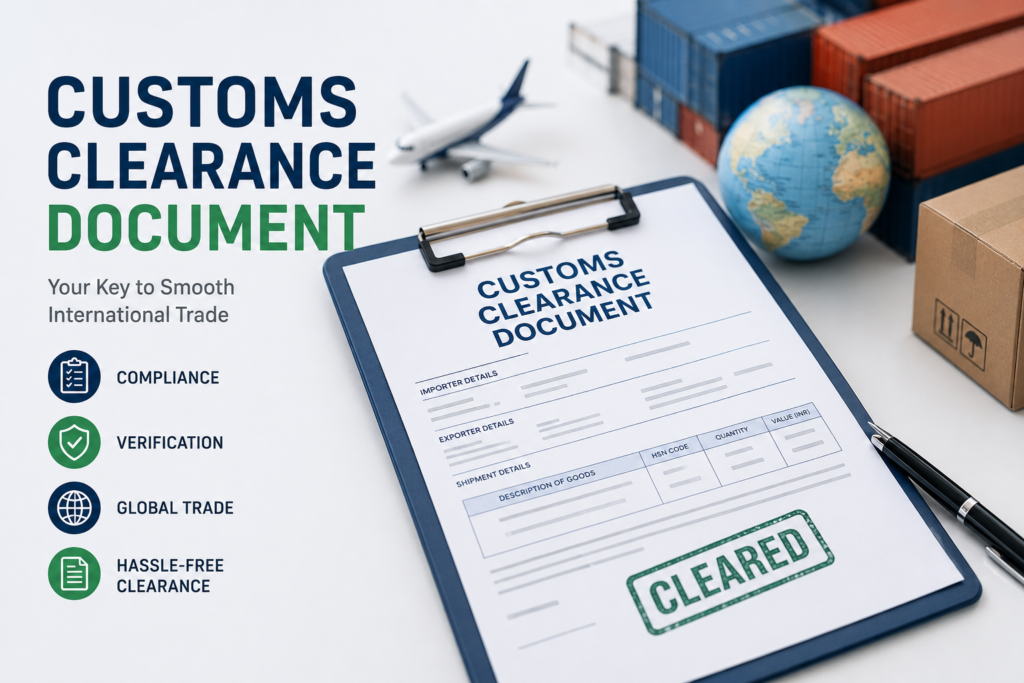
The easiest time to fix a customs-document problem is before cargo reaches the United States. Once a shipment is approaching a port, missing information, inconsistent quantities, unclear product descriptions, or an unresolved permit requirement can turn a routine entry into an operational delay. For commercial importers, the goal is not simply to collect paperwork. It […]
Do I Need a Customs Broker? 7 Situations Houston Importers Should Know
Importing commercial goods into the United States involves more than getting a shipment from one country to another. Before cargo can move into your supply chain, the importer may need to address customs entry requirements, tariff classification, bonds, security filings, and requirements from other federal agencies. So, do I need a customs broker? Not necessarily. […]
